
Just a few steps from Brentford High Street, the Beeline is a hidden pocket of wildness that nature has reclaimed from a disused railway (see History).
This elevated, linear space measures 1 hectare and 400 metres in length, but despite the modest size, it hosts multiple habitats of different characters and a variety of plants and invertebrates, with 90 species recorded in a survey conducted in July 2026.
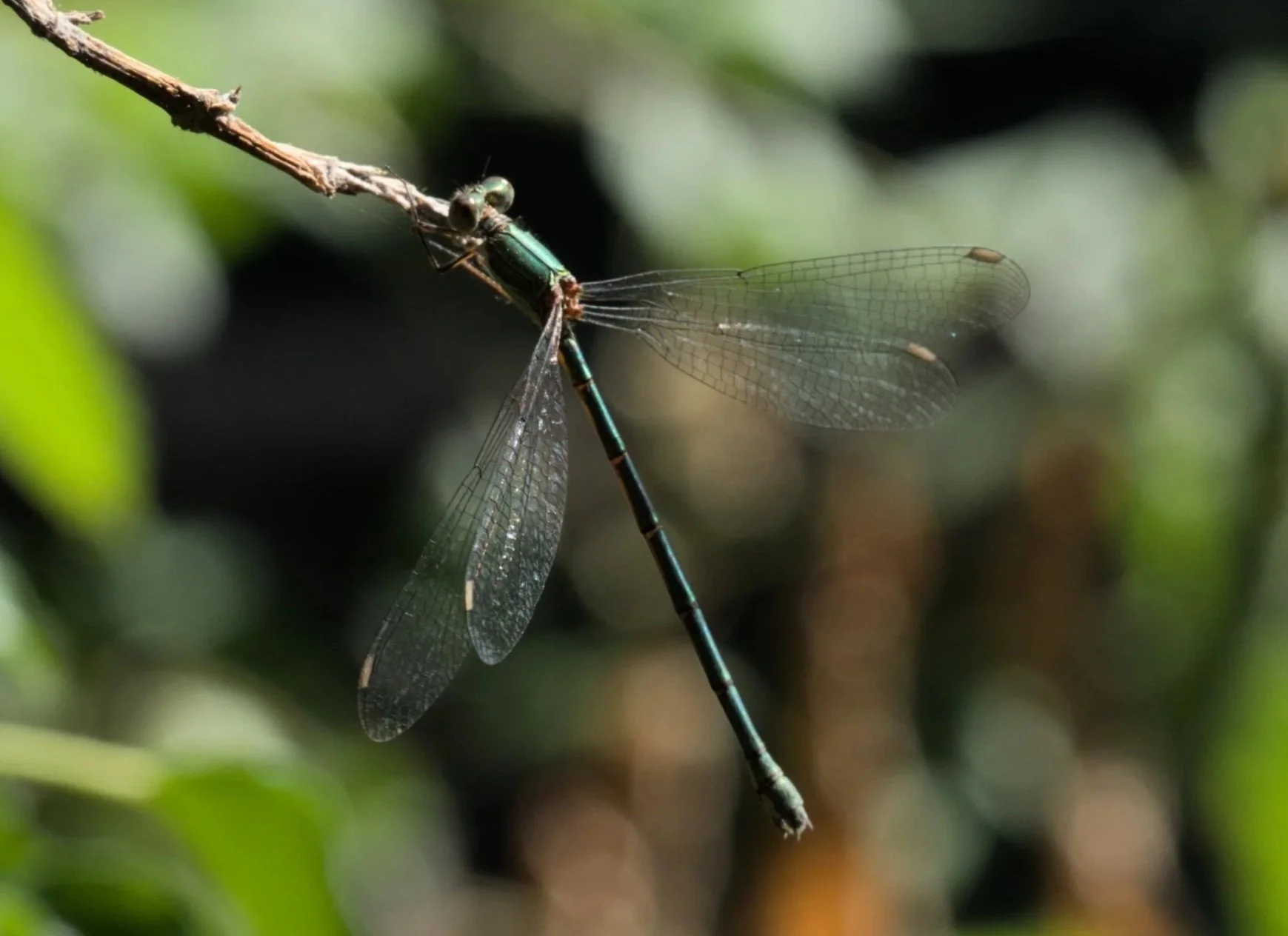
a willow emerald damselfly - photo by Daniel Cahen
Woodland
A young, deciduous woodland covers much of the Beeline along its entire length. Sycamores of various stages of maturity account for roughly half of the tree population. Cherry, ash and holm oak are also well represented here, while a few other tree species (such as yew, elder, hawthorn, Norway spruce) are found in more limited numbers. Beneath the canopy is an understorey of largely brambles, dog rose, holly and hazel.
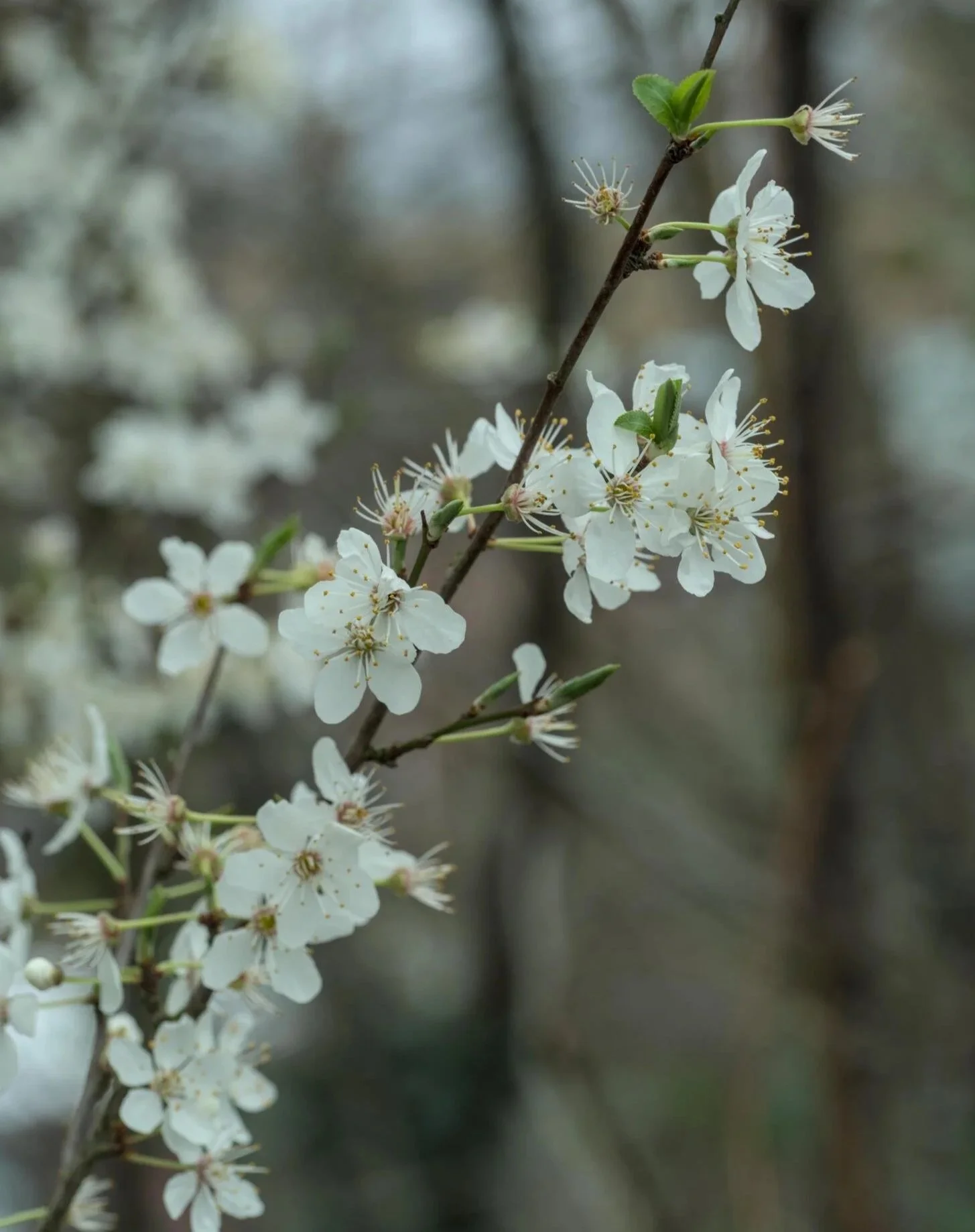
cherry plum - photo by Daniel Cahen
Grassland
Near the entrance as well as in a few spots towards the northwestern end, the woodland gives way to open glades. Out of the ballast left behind from the railroad days has emerged a rich mix of grasses and wildflowers. Meanwhile, some ash saplings in one of these areas show signs of dieback, an epidemic that originated from the import of foreign species and has been devastating the UK's ash population since the early 2010s.
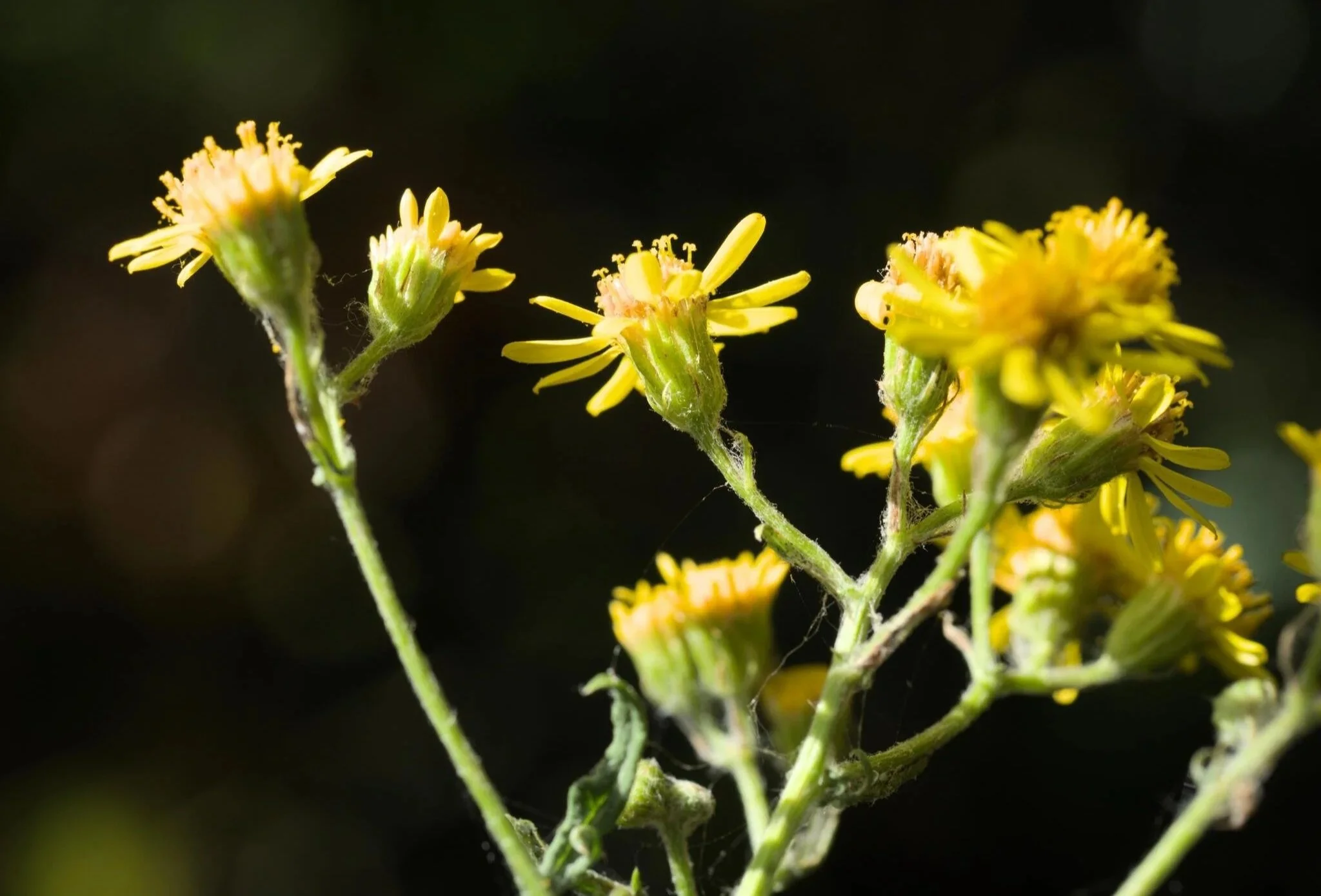
hoary ragwort - photo by Daniel Cahen
Dense Scrub
On the steep embankments are several extensive patches of dense scrub, a transitory habitat between grassland and woodland. This type of vegetation can offer a range of benefits to wildlife (e.g. nursery for young trees, refuge for small birds and mammals).
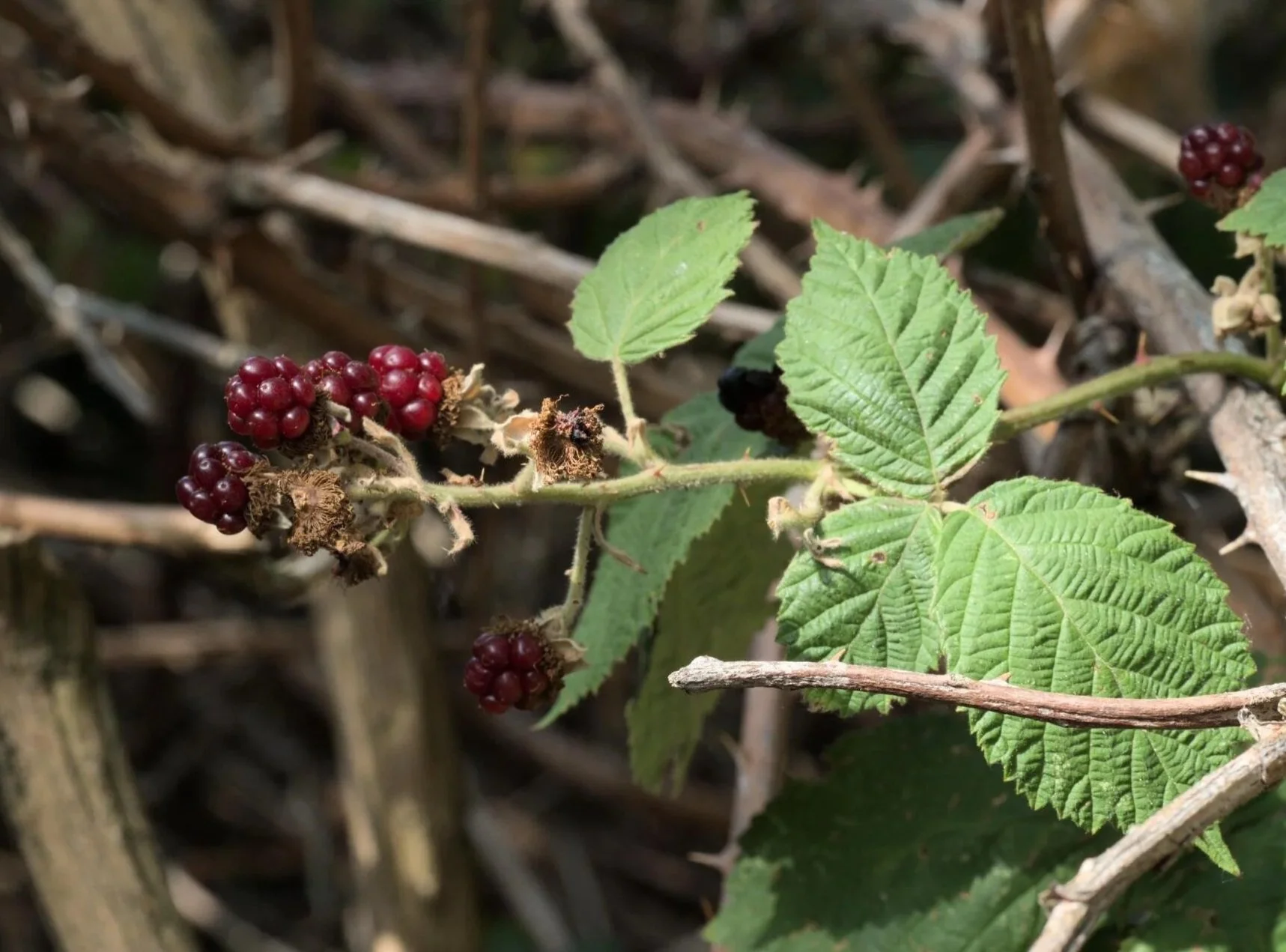
brambles - photo by Daniel Cahen
Looking forward
As we continue to learn about the ecological aspects of the Beeline and develop an overall conservation strategy, more details will be shared on this page.
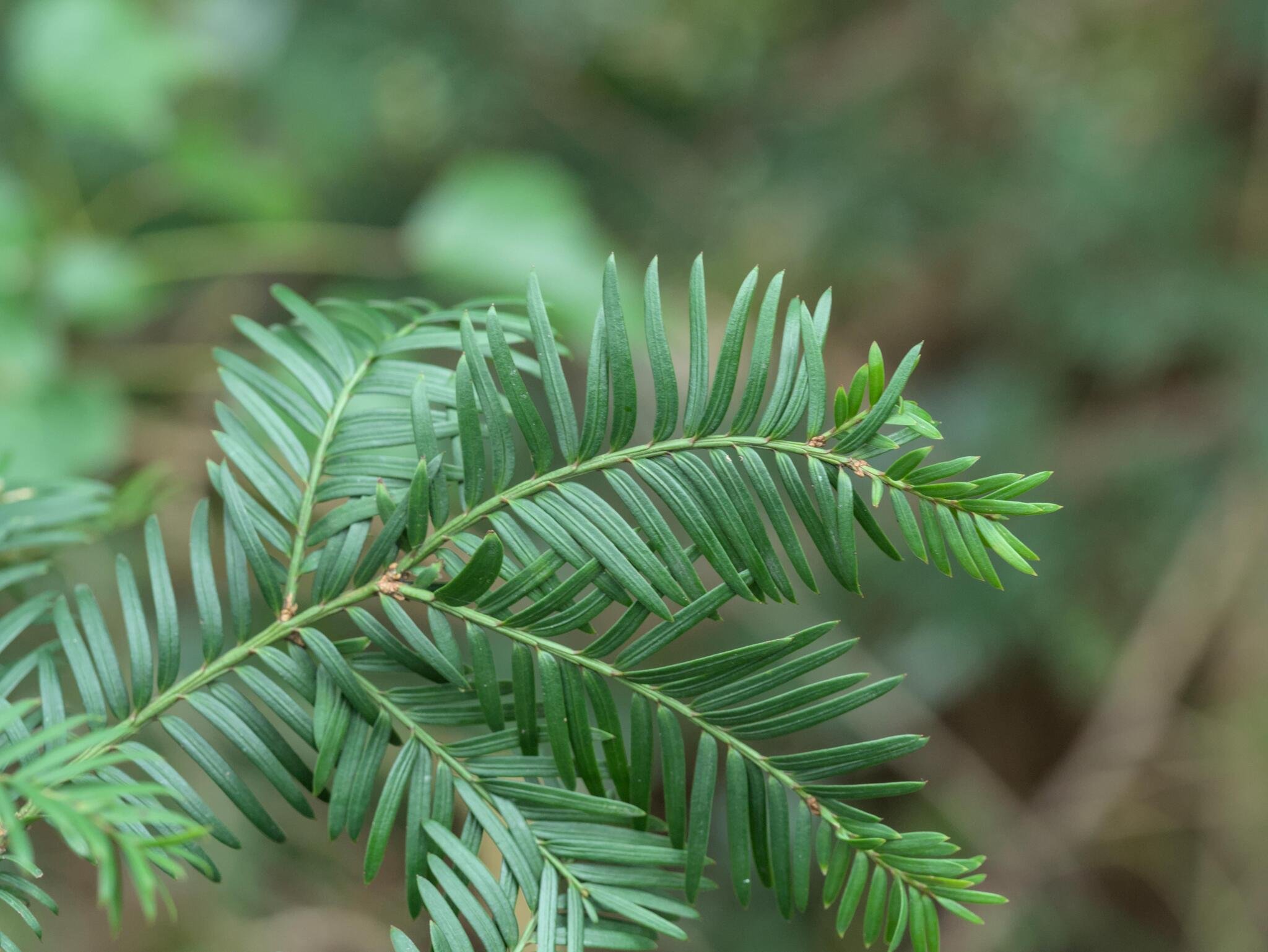
common yew - photo by Daniel Cahen